Basement and crawl space flooding is a serious problem that leads to structural damage, unpleasant odors, and health concerns. The best way to prevent it is through effective waterproofing strategies.
Salt Lake City Water Damage Restoration uses external waterproofing methods like grading and French drains that direct groundwater away from the home, reducing hydrostatic pressure. Internal waterproofing includes vapor barriers and dehumidification, which lock out moisture and improve air quality.
Gaps
Many of the same issues that cause water damage in basements can also affect crawl spaces. However, the problems can be more hidden and difficult to detect. When unchecked, they can lead to mold growth, sagging floors and foundation cracks, pest infestations and other structural problems throughout the house.
Moisture intrusion is one of the most common causes of crawl space water damage. It can be caused by heavy rainfall pooling around the home’s foundation, plumbing leaks, groundwater flooding or vapor rising through the soil naturally. Left unchecked, this moisture spreads through the crawl space and into living areas above.
The resulting moisture can contribute to wood rot, a process that often causes foundation issues. If this isn’t dealt with, a crawl space may eventually sag and support beams will degrade, which could potentially collapse the entire structure. Signs of wood rot include sagging or bouncy floor and walls, gaps between baseboards and flooring and rotting drywall.
A wet crawl space can also attract rodents and termites. Rodents can chew wires and insulation, causing electrical issues, and termites may damage the wood elements of your home, leading to expensive repairs. A wet crawl space can also create a welcoming environment for insects that can enter your home, including spiders and flies.
Crawl space waterproofing and drainage solutions are crucial to protecting this hidden area of your home. Adding a sump pump to your crawl space can help control moisture and ensure water is pumped away from the house during storms or high water table periods. In addition, a French drainage system is an excellent way to redirect water away from your foundation and into the surrounding soil, helping prevent future issues.
Detecting and addressing the hidden issues in your crawl space can have major benefits for your home. For example, a clean and dry crawl space can improve the air quality in your home and lower energy costs. It can also be a selling point for potential buyers, as a well-maintained crawl space can protect against serious structural and health issues. For more information, contact Zavza Seal LLC today to schedule an inspection and a free estimate.
White Stains
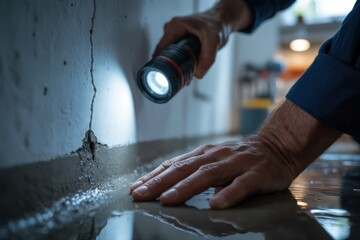
Basement wall stains are a visual warning sign that the integrity of your foundation and walls may be at risk. These white or red stains are actually caused by the chemical process known as spalling, which is when the salts within the concrete break apart and dissolve in water that seeps through the walls. Over time, the resulting minerals build up and the stains appear. These stains are often seen in unfinished basements, which lack the waterproofing typically applied during new home construction. But even finished basements can experience problems, because the backfill soil and rocks that fill the space around the foundation will eventually wear away, allowing groundwater to saturate and stain the basement walls.
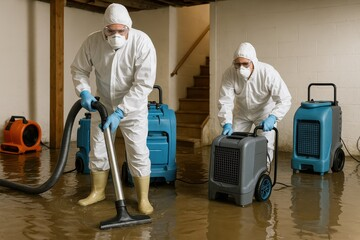
The first step in any basement or crawl space restoration project involves water extraction. High-powered pumps and vacuums remove as much water as possible from the affected area, slowing the damage that can occur to flooring and furnishings. After the water is removed, industrial fans and dehumidifiers are used to dry out the space and prevent mold growth. Once the area is dry, any damaged or contaminated materials are removed and the space is monitored and inspected for moisture.
Water in a crawl space can lead to serious structural issues for the entire home, including weakened support beams and wooden floor joists that can warp or rot. It can also promote the growth of mold, which is dangerous to the health of occupants. Standing water in a crawl space can be caused by roof drainage problems, overflowing gutters and sagging crawl space floors. It can also be introduced by plumbing leaks, plumbing repairs or burst pipes.
Addressing the source of the problem is critical for preventing future flooding. Exterior drainage solutions, like installing a French drain or a sump pump system, can help to redirect rainwater and prevent it from seeping into the crawl space or basement. It’s also a good idea to install clean gutters and extend them downspouts to divert rainwater away from the house and prevent it from flowing over foundation walls, which can create water damage. Other waterproofing solutions for crawl spaces and basements include encapsulation, which seals the space with a thick vapor barrier that locks out moisture, improves indoor air quality and can prepare the space for other upgrades.
Mold
Mold in crawl spaces and basements is more common than you might think. This type of fungus loves damp, dark places with poor airflow like crawl spaces and basements. As it grows, it eats away at wood beams and joists. This can cause sagging floors, musty odors, and structural damage over time.
Mold is a health risk as well, especially for those with allergies or breathing issues. It releases spores into the air that can trigger sneezing, itchy eyes and nose, and other allergy symptoms. Mold spores also travel through your home’s ventilation system, making them more prevalent throughout the house.
The moisture that causes mold in crawl spaces and basements is usually due to plumbing leaks or foundation cracks. The problem may also be caused by clogged gutters or downspouts, soil that slopes toward the home, and poorly-designed drainage systems. The best way to prevent these problems from causing mold is by having the area properly repaired and sealed.
Moisture in crawl spaces can also wreak havoc on the wooden supports under your house. Not only does it rot the wood and create sagging floors, but it can cause foundation cracking over time and lead to serious structural problems.
If you have a crawl space, it is crucial to regularly inspect it for water damage and signs of mold. If you see any of these problems, get a professional inspection right away.
A qualified inspector can find the source of the problem and make repairs to prevent future flooding and rot. They can also install a sump pump and ensure that your gutters and drains are functioning properly. They can also seal any foundation cracks that are allowing water into your crawl space or basement. This prevents long-term moisture and mold problems and keeps your home healthier and safer for your family.
Efflorescence
Efflorescence is a white chalky residue on the surface of concrete, brick and other porous building materials. It’s a clear indicator of moisture problems, and should never be ignored. Efflorescence isn’t dangerous, but it can lead to mold and mildew growth, structural damage and indoor air quality issues.
It’s important to understand how this problem develops so homeowners can identify it and take corrective action quickly. According to the International Association of Certified Home Inspectors, porous building materials can absorb and wick water over a six-mile radius, transporting soluble salts along the way in a similar manner as a tree carries water through its roots up to its leaves. Because of this, when these materials are exposed to water, the soluble salts infiltrate the interior and eventually rise to the surface.
The white, powdery substance on basement walls is called efflorescence, and it indicates moisture problems. Typically found on concrete, brick and stone, it’s caused when water penetrates the wall through leaks or cracks and brings water-soluble salts to the surface. As the water evaporates, it leaves behind these crystalline deposits of salt and minerals.
Often, the salts that cause efflorescence are calcium carbonate or sodium chloride, which are naturally occurring in building materials and in the soil around them. They’re also commonly found in areas prone to water infiltration, such as basements or crawl spaces.
Basements and crawl spaces are particularly susceptible to water damage because they’re below ground level and often in contact with groundwater. As a result, they’re often subject to flooding and water infiltration through foundation cracks or walls. Water infiltration can lead to mold growth, deterioration of wood and metal and, in severe cases, structural damage.
A slew of solutions can help prevent and address these problems, including waterproofing, sump pump installation, French drain installation, foundation crack repair, dehumidification, mold remediation and more. The best approach is a comprehensive one that combines these services with an exterior drainage system that redirects water away from the home and basements. In addition, a specialized basement dehumidifier helps reduce humidity levels and maintain a dry, usable space.